
Understanding Property Taxes and How to Lower Them
How Property Taxes Work in Canada
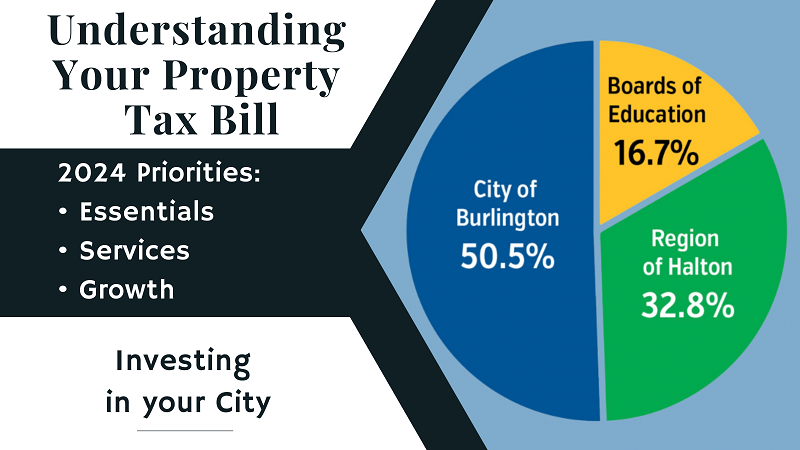
Property taxes are calculated based on two main components:
1. Assessed Property Value
Each property is assigned a market value estimate by a provincial assessment authority. This value reflects what your property would likely sell for under normal conditions.
2. Municipal Tax Rate (Mill Rate)
Local governments set tax rates annually based on budget needs. The rate is applied per $1,000 of assessed value.
Basic Formula:
Property Tax = Assessed Value × Municipal Tax Rate
“Lower rates can boost home buying activity, benefiting housing stocks, while higher rates may have the opposite effect.”

Who Does the Assessment?
Each province has its own assessment body. For example:
- In Quebec: Municipal assessment rolls managed locally
- In Ontario: Municipal Property Assessment Corporation (MPAC)
- In British Columbia: BC Assessment
Assessments are updated periodically (often every 1–4 years), though rapid market changes can affect perceived fairness.
Factors That Influence Your Property Taxes
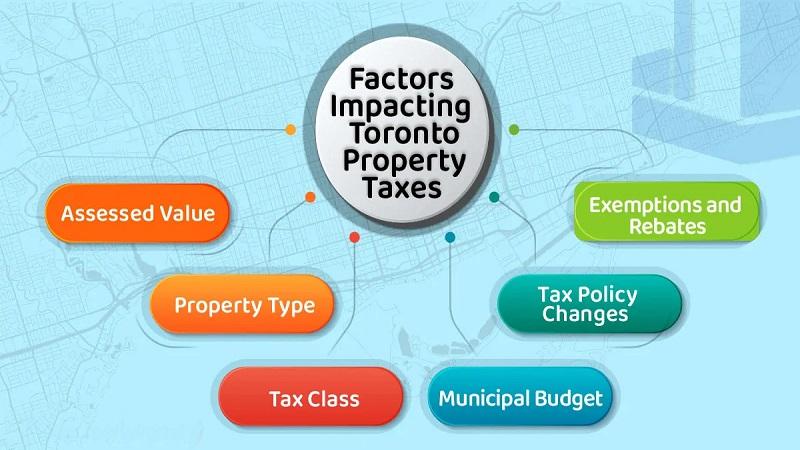
Several variables determine how much you pay:
- Location: Urban areas typically have higher rates than rural regions.
- Property Type: Residential, commercial, and industrial properties are taxed differently.
- Market Trends: Rising real estate prices can increase assessed values.
- Municipal Budget Needs: Infrastructure projects or service expansions can drive rates up.
Strategies to Lower Your Property Taxes
While you can’t opt out of property taxes, there are legitimate ways to reduce them.
1. Appeal Your Property Assessment
If your assessed value seems too high compared to similar properties, you can file an appeal.
Key steps:
- Review your assessment notice carefully
- Compare your property to similar homes (“comps”)
- Document discrepancies (size, condition, features)
- File within the appeal deadline (strictly enforced)
A successful appeal can reduce your tax base, sometimes significantly.
2. Apply for Property Tax Relief Programs
Many provinces and municipalities offer targeted relief:
- Seniors’ rebates or deferrals
- Low-income household grants
- Disability-related tax assistance
For example, Quebec offers tax credit programs tied to income and age, while Ontario has municipal rebate schemes for eligible homeowners.
3. Check for Assessment Errors
Errors are more common than many assume. Look for:
- Incorrect square footage
- Misclassified property type
- Outdated renovation records
- Features listed that don’t exist (e.g., finished basement)
Even minor inaccuracies can inflate your assessment.
4. Understand Tax Deferral Options
Some provinces allow eligible homeowners (often seniors) to defer property taxes until the home is sold. While this doesn’t reduce the amount owed, it improves short-term cash flow.
5. Monitor Neighborhood Comparisons
If similar homes in your area are assessed lower, that’s strong evidence for an appeal. Municipal assessment data is often publicly accessible—use it strategically.
6. Limit Over-Improvement (Strategically)
Major renovations can increase your property’s assessed value. While improvements may boost resale value, they also raise your tax liability.
This doesn’t mean avoiding upgrades—but being aware of the tax implications helps you plan more effectively.
Common Misconceptions
“My taxes went up, so my rate increased.”
Not necessarily—your assessed value may have risen instead.
“I can negotiate my property taxes.”
You can’t negotiate rates, but you can challenge assessments.
“Renovations always pay off.”
They may increase resale value, but also increase your tax burden.
Final Thoughts
Property taxes in Canada are structured but not inflexible. The most effective way to reduce them is by ensuring your property is fairly assessed and taking advantage of available relief programs.
A proactive approach—reviewing assessments, understanding local policies, and filing appeals when justified—can yield meaningful savings over time without taking on unnecessary risk.
If you want, I can break this down specifically for Quebec or Montreal, including current tax rates and local rebate programs.

Related Posts
 Apr 22, 2026 sample
Tips for Selling Out Your Property
Selling a property in Canada is a multi-stage process that blends pricing strategy, marketing execut...
 Mar 26, 2026 sample
Mortgage Calculator
A mortgage calculator is an essential financial planning tool that helps you estimate your monthly h...
 Mar 12, 2026 sample
The Benefits of Smart Home Technology
Smart home technology has evolved from a luxury novelty into a practical, increasingly accessible wa...
Properties For Sale
Houses for Sale in Brampton Houses for Sale in Mississauga Houses for Sale in Toronto Houses for Sale in Vaughan Houses for Sale in Oakville Houses for Sale in Milton Houses for Sale in Hamilton Houses for Sale in Ottawa Houses for Sale in KitchenerProperties Categories
DetachedSemi-Detached
Freehold Townhouse
Condo Townhouse
Condo Apartment
Duplex