
The Benefits of Smart Home Technology
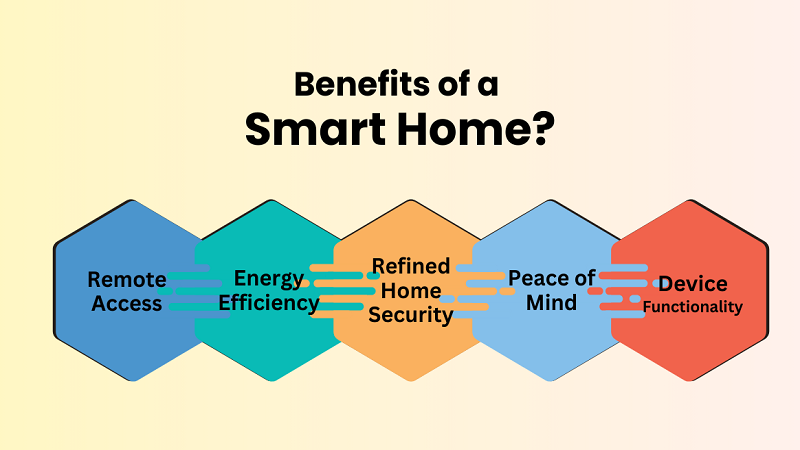
Smart home technology has evolved from a luxury novelty into a practical, increasingly accessible way to enhance everyday living. By integrating connected devices, automation systems, and intelligent controls, homeowners can create environments that are more efficient, secure, and responsive to their needs. Below is a structured look at the most impactful benefits driving adoption.
“Lower rates can boost home buying activity, benefiting housing stocks, while higher rates may have the opposite effect.”

1. Enhanced Convenience and Automation
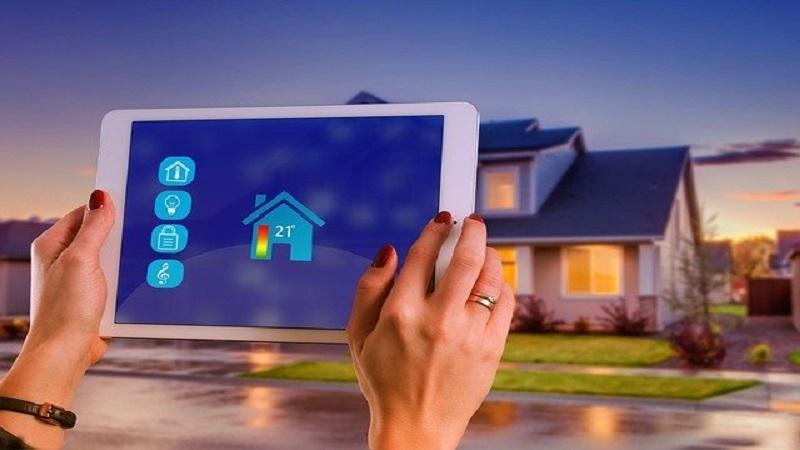
At the core of smart home technology is automation. Devices such as smart thermostats, lighting systems, and voice-controlled assistants allow users to manage their home environment with minimal effort. Routine actions—like adjusting temperature, turning off lights, or locking doors—can be scheduled or triggered automatically based on time, occupancy, or user behavior.
This reduces cognitive load and eliminates repetitive tasks, particularly valuable in high-demand lifestyles.
2. Energy Efficiency and Cost Savings
Smart home systems optimize resource consumption through real-time monitoring and adaptive controls. For example:
- Smart thermostats learn usage patterns and adjust heating or cooling accordingly.
- Smart lighting systems use motion sensors and daylight detection to minimize unnecessary usage.
- Energy monitoring tools provide granular insights into consumption patterns.
Over time, these efficiencies translate into measurable reductions in utility costs and a smaller environmental footprint.
3. Improved Home Security
Security is one of the most compelling use cases for smart technology. Integrated systems can include:
- Smart locks with remote access control
- Video doorbells with real-time streaming and alerts
- Motion detectors and surveillance cameras
Users receive instant notifications of unusual activity and can monitor or respond remotely. This creates a layered security model that extends beyond traditional alarm systems.
4. Remote Access and Control
Smart homes are not confined to physical presence. Through mobile apps and cloud connectivity, homeowners can control systems from anywhere. Whether adjusting the thermostat while at work or checking camera feeds while traveling, remote access provides continuous oversight and control.
This capability is particularly useful for frequent travelers or property managers.
5. Increased Property Value
Homes equipped with smart technology are increasingly attractive in the real estate market. Buyers often perceive these features as modern, efficient, and future-ready. Integrated systems—especially those related to energy efficiency and security—can differentiate a property and justify higher valuations.
6. Personalization and Adaptability
Smart systems learn from user behavior and preferences, enabling a high degree of customization. Lighting can adapt to mood or time of day, music systems can follow users room-to-room, and climate control can adjust based on occupancy patterns.
This level of personalization creates a more comfortable and tailored living experience.
7. Integration and Ecosystem Expansion
Modern smart homes are not limited to isolated devices. Platforms now support interoperability across multiple systems, allowing users to build cohesive ecosystems. As technology advances, new devices can be added with minimal friction, extending functionality over time without requiring complete system overhauls.
8. Accessibility and Assisted Living
Smart home technology plays a critical role in improving accessibility for elderly individuals and those with disabilities. Voice commands, automated routines, and remote monitoring enable greater independence while also allowing caregivers to stay informed.
This has significant implications for aging-in-place strategies and long-term care.
Conclusion
Smart home technology delivers a combination of convenience, efficiency, and security that aligns closely with modern living demands. While initial setup costs and compatibility considerations remain factors, the long-term benefits—both functional and financial—make it a compelling investment.
As ecosystems mature and standards improve, smart homes are likely to transition from optional upgrades to baseline expectations in residential design.

Related Posts
 Jun 13, 2026 sample
The Ultimate Guide to Buying Land in Ontario, Canada (2026)
Learn how to buy land in Ontario, Canada with our trusted guide. Discover financing, zoning updates,...
 Apr 22, 2026 sample
Tips for Selling Out Your Property
Selling a property in Canada is a multi-stage process that blends pricing strategy, marketing execut...
 Mar 26, 2026 sample
Mortgage Calculator
A mortgage calculator is an essential financial planning tool that helps you estimate your monthly h...
 Mar 17, 2026 sample
Understanding Property Taxes and How to Lower Them
Property taxes in Canada are a primary source of revenue for municipalities, funding essential servi...

Properties For Sale
Houses for Sale in Brampton Houses for Sale in Mississauga Houses for Sale in Toronto Houses for Sale in Vaughan Houses for Sale in Oakville Houses for Sale in Milton Houses for Sale in Hamilton Houses for Sale in Ottawa Houses for Sale in KitchenerProperties Categories
DetachedSemi-Detached
Freehold Townhouse
Condo Townhouse
Condo Apartment
Duplex