Real Estate Outlook for Budget Buyers in Canada
Understanding Current Housing Trends
The Canadian housing market fluctuates, but tracking local trends helps you make informed decisions. You do not need great wealth to become a successful real estate investor. Careful research into neighborhood growth reveals entry points in competitive markets. You can also explore homes for sale in Toronto, Brampton, Mississauga, and other Ontario cities to identify high-growth areas
Your First Home: A Financial Stepping Stone
Your first home is more than a place to live; it is your entry into real estate investing. For most, owning offers more economic security than renting and is a key vehicle for building long-term wealth. Each mortgage payment is an investment in your future.
From Renting to Building Equity
Renting offers flexibility, but homeownership is the path to lasting stability. When you learn how to start investing in property, you stop covering someone else's mortgage and start building your own net worth. This shift is a key step toward financial independence.
Real Estate Investing Tips for Finding Opportunities in Ontario
Look for Affordable Commuter Towns
Towns just outside the Greater Toronto Area (GTA) offer affordable homes in growing communities. Browse property listings in Milton, Vaughan, Hamilton, and Kitchener to find budget-friendly investment options. This strategy is an effective way for you to enter the market without the high price tag of a downtown core. For those who prefer a digital-first approach, you can even research and invest in real estate online to compare these different markets.
Ontario Transit Expansions
Ontario’s GO Transit expansions make it easier to live affordably while staying connected to employment hubs. Buying near new stations can raise your property's value over time. Many property investors use this approach to ensure their home remains a liquid and desirable asset.
Affordable Property Types in Ontario
You do not have to buy a detached house to get started. Townhomes and low-rise condos are excellent real estate investment options for beginners. They are usually less expensive and require smaller down payments. These choices help you achieve ownership within your budget while your property appreciates.
Ontario Property Taxes
Property tax rates vary by city, so check the rates for the area you want. Always include estimated taxes in your monthly budget. This helps you plan your investment and keeps your home affordable.
Property Type | Average Entry Cost | Best for |
Commuter Townhome | Medium | Families needing more square footage |
Low-Rise Condo | Low | Singles and young couples |
Suburban Detached | High | Those looking for maximum land value |
How to Begin Investing in Real Estate Using Federal Programs
Essential Real Estate Investing Tips for Using Government Grants
If you are learning how to start investing in real estate, government programs are the fastest way to reduce your upfront costs. Here are the most effective options available:
- First Home Savings Account (FHSA): This account lets you save for your first home tax-free. It is a powerful tool to grow your down payment faster.
- RRSP Home Buyers’ Plan (HBP): You can withdraw up to $35,000 from your RRSP tax-free. This is a practical way for beginners in real estate investing to access capital.
- Ontario Land Transfer Tax Refund: This provincial refund can save you thousands of dollars on closing costs.
How to Plan a Stress-Free Mortgage Strategy
Finding Mortgage Rates
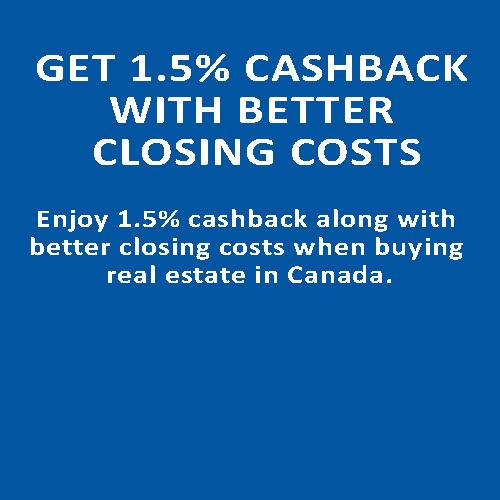
Securing a good mortgage is just as important as finding the right house. Success in real estate investing often comes down to the math; even a 0.5% difference in your interest rate can save you tens of thousands of dollars. You can further reduce costs on home buying and selling with 1.5% cashback, helping you maximize your investment returns. Lower rates mean lower monthly payments and faster equity growth. Use the Mortgage Calculator to estimate your monthly payments and investment affordability.
Mortgage Pre-Approval
Getting pre-approved is the first real step in real estate investing. It tells you what you can afford, so you do not waste time on homes outside your budget. It also shows sellers that you are a serious buyer.
Checklist for Closing Costs
Do not let closing costs catch you by surprise. Legal fees and home inspections can add up fast. Create a checklist of these costs to help you get started with your property investment in Canada without extra stress.
Turning Your Property Ownership Dream Into Reality
By following these real estate investing tips, you can confidently buy your first home in Canada. Look for good investment opportunities, consider options like townhomes, and use government programs. These steps will help you find a great home and begin building your financial future.
Ready to begin? Work with Serik Realty, your trusted guide in the Canadian real estate market. Whether you are buying your first home or searching for affordable investment options, our expert team is here to help. Contact us today to find the best programs and properties for you.
Frequently Asked Questions
- What is the minimum down payment in Ontario?
The minimum down payment in Ontario is 5% for homes under $500,000. For homes between $500,000 and $1 million, it's 5% on the first $500,000 and 10% on the rest. Homes over $1 million require a 20% down payment.
- Can I combine first-time home buyer programs?
Yes, you can combine programs like the First Home Savings Account (FHSA), the RRSP Home Buyers' Plan, and tax refunds to optimize your savings and decrease initial costs.
- Is a condo or a house a better real estate investment?
This depends on your goals. A city condo can be a great rental property, while a suburban house typically offers more space and may appreciate more over the long term.
- What are the closing costs when buying a home?
Closing costs usually range from 1.5% to 4% of the home's purchase price. These include legal fees, home inspections, and title insurance.
- How do I get pre-approved for a mortgage?
To get pre-approved, you'll need to provide financial documents, such as pay stubs and tax forms, to a mortgage broker. They will check your credit and determine how much you can borrow, which improves your position as a buyer.